
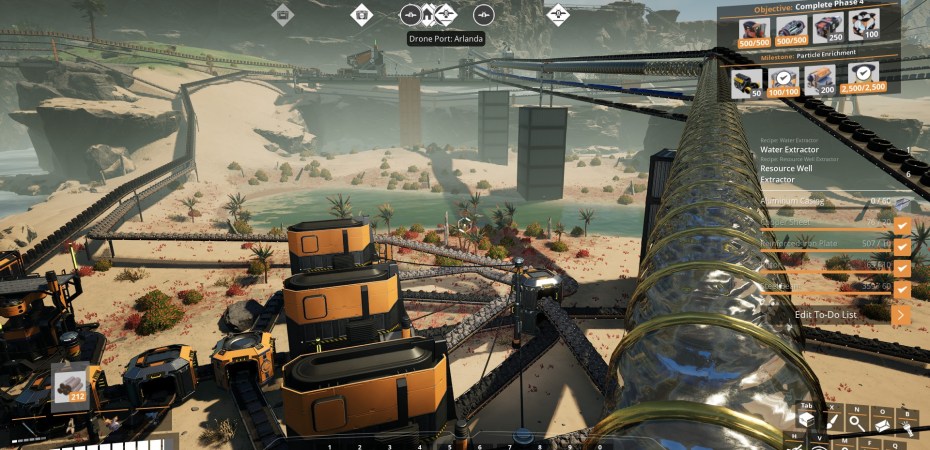
Over Christmas I’ve been playing my annual game of Satisfactory – we’re now heading into February and this thing is still ruining my life. I never – I’ve played over four hundred hours of this game, right, 435 hours, I’ve been playing all the way through Early Access, and I’ve never beaten the game. Partly that’s because the proper end game only came out with the full release in September 2024. Partly that’s because I restart the game every time I hit a major snag in the factory planning. I just – this game just keeps spiralling out of control, and I can’t handle unpicking everything and rebuilding it all, so I just start again.
Let me give you an example, right – it’s a stupid way to play, and I know that, but this is what I’m dealing with. I’m looking currently at the Thermal Propulsion Rocket, a core component of Phase Four of Project Assembly. It’s built in the Manufacturer, it takes two minutes to produce a pair, and you need four ingredients:
- 2.5 x Modular Engines
- 2 x Turbo Motors
- 3 x Cooling Systems
- 1 x Fused Modular Frame
With those four ingredients, the Manufacturer will whistle away for a couple of minutes, and then – bing – pop out two fully-formed Thermal Propulsion Rockets. Each of those ingredients, of course, requires some crafting of their own. If you include every ingredient (and every subingredient to make those ingredients), the list looks like this:
- 5 Motors
- 10 Rotors
- 50 Iron Rods
- 50 Iron Ingots
- 50 Iron Ore
- 50 Iron Ingots
- 250 Screws
- 62.5 Iron Rods
- 62.5 Iron Ingots
- 62.5 Iron Ore
- 62.5 Iron Ingots
- 62.5 Iron Rods
- 50 Iron Rods
- 10 Stators
- 30 Steel Pipe
- 45 Steel Ingots
- 45 Coal
- 45 Iron Ore
- 45 Steel Ingots
- 80 Wire
- 40 Copper Ingots
- 40 Copper Ore
- 40 Copper Ingots
- 30 Steel Pipe
- 10 Rotors
- 37.5 Rubber
- 56.25 Crude Oil
- 5 Smart Plating
- 5 Reinforced Iron Plate
- 30 Iron Plate
- 45 Iron Ingots
- 45 Iron Ore
- 45 Iron Ingots
- 60 Screws
- 15 Iron Rods
- 15 Iron Ingots
- 15 Iron Ore
- 15 Iron Ingots
- 15 Iron Rods
- 30 Iron Plate
- 5 Rotors
- 25 Iron Rods
- 25 Iron Ingots
- 25 Iron Ore
- 25 Iron Ingots
- 125 Screws
- 31.25 Iron Rods
- 31.25 Iron Ingots
- 31.25 Iron Ore
- 31.25 Iron Ingots
- 31.25 Iron Rods
- 25 Iron Rods
- 5 Reinforced Iron Plate
- 8 Cooling Systems
- 16 Heat Sinks
- 80 Alclad Aluminum Sheets
- 26.7 Copper Ingots
- 26.7 Copper Ore
- 80 Aluminum Ingots
- 100 Silica
- 60 Raw Quartz
- 120 Aluminum Scrap
- 80 Alumina Solution
- 80 Bauxite
- 120 Water
- 40 Coal
- 80 Alumina Solution
- 100 Silica
- 26.7 Copper Ingots
- 48 Copper Sheets
- 96 Copper Ingots
- 96 Copper Ore
- 96 Copper Ingots
- 80 Alclad Aluminum Sheets
- 16 Rubber
- 24 Crude Oil
- 40 Water
- 200 Nitrogen Gas
- 16 Heat Sinks
- 4 Radio Control Units
- 64 Aluminum Casing
- 96 Aluminum Ingots
- 120 Silica
- 72 Raw Quartz
- 144 Aluminum Scrap
- 96 Alumina Solution
- 96 Bauxite
- 144 Water
- 48 Coal
- 96 Alumina Solution
- 120 Silica
- 96 Aluminum Ingots
- 2 Crystal Oscillators
- 36 Quartz Crystals
- 60 Raw Quartz
- 28 Cables
- 56 Wire
- 28 Copper Ingots
- 28 Copper Ore
- 28 Copper Ingots
- 56 Wire
- 5 Reinforced Iron Plate
- 30 Iron Plate
- 45 Iron Ingots
- 45 Iron Ore
- 45 Iron Ingots
- 60 Screws
- 15 Iron Rods
- 15 Iron Ingots
- 15 Iron Ore
- 15 Iron Ingots
- 15 Iron Rods
- 30 Iron Plate
- 36 Quartz Crystals
- 4 Computers
- 16 Circuit Boards
- 32 Copper Sheet
- 64 Copper Ingots
- 64 Copper Ore
- 64 Copper Ingots
- 64 Plastic
- 96 Crude Oil
- 32 Copper Sheet
- 32 Cables
- 64 Wire
- 32 Copper Ingots
- 32 Copper Ore
- 32 Copper Ingots
- 64 Wire
- 64 Plastic
- 96 Crude Oil
- 16 Circuit Boards
- 64 Aluminum Casing
- 8 Motors
- 16 Rotors
- 80 Iron Rods
- 80 Iron Ingots
- 80 Iron Ore
- 80 Iron Ingots
- 400 Screws
- 100 Iron Rods
- 100 Iron Ingots
- 100 Iron Ore
- 100 Iron Ingots
- 100 Iron Rods
- 80 Iron Rods
- 16 Stators
- 48 Steel Pipe
- 72 Steel Ingots
- 72 Coal
- 72 Iron Ore
- 72 Steel Ingots
- 64 Wire
- 32 Copper Ingots
- 32 Copper Ore
- 32 Copper Ingots
- 48 Steel Pipe
- 16 Rotors
- 48 Rubber
- 72 Crude Oil
- 6 Heat Sinks
- 30 Alclad Aluminum Sheets
- 10 Copper Ingots
- 10 Copper Ore
- 30 Aluminum Ingots
- 37.5 Silica
- 22.5 Raw Quartz
- 45 Aluminum Scrap
- 30 Aluminum Solution
- 30 Bauxite
- 45 Water
- 15 Coal
- 30 Aluminum Solution
- 37.5 Silica
- 10 Copper Ingots
- 30 Alclad Aluminum Sheets
- 18 Copper Sheets
- 36 Copper Ingots
- 36 Copper Ore
- 36 Copper Ingots
- 1 Heavy Modular Frame
- 5 Modular Frames
- 7.5 Reinforced Iron Plate
- 45 Iron Plate
- 67.5 Iron Ingots
- 67.5 Iron Ore
- 67.5 Iron Ingots
- 90 Screws
- 22.5 Iron Rod
- 22.5 Iron Ingots
- 22.5 Iron Ore
- 22.5 Iron Ingots
- 22.5 Iron Rod
- 45 Iron Plate
- 30 Iron Rods
- 30 Iron Ingots
- 30 Iron Ore
- 30 Iron Ingots
- 7.5 Reinforced Iron Plate
- 20 Steel Pipe
- 30 Steel Ingot
- 30 Coal
- 30 Iron Ore
- 30 Steel Ingot
- 5 Encased Industrial Beams
- 15 Steel Beams
- 60 Steel Ingots
- 60 Coal
- 60 Iron Ore
- 60 Steel Ingots
- 30 Concrete
- 90 Limestone
- 15 Steel Beams
- 120 Screws
- 30 Iron Rods
- 30 Iron Ingots
- 30 Iron Ore
- 30 Iron Ingots
- 30 Iron Rods
- 5 Modular Frames
- 50 Aluminum Casing
- 75 Aluminum Ingots
- 112.5 Aluminum Scrap
- 75 Alumina Solution
- 75 Bauxite
- 112.5 Water
- 37.5 Coal
- 75 Alumina Solution
- 93.75 Silica
- 56.25 Raw Quartz
- 112.5 Aluminum Scrap
- 75 Aluminum Ingots
- 25 Nitrogen Gas
If you run each manufacturing step independently, it’s a hundred and thirteen operations, plus the original mining or extraction to get the raw resources out, plus power and the related infrastructure (both generation and distribution), plus all the resources to actually build the machines to do the manufacturing, and then arranging all the belts and pipes and so on to move all the resources around. That’s an insane list of stuff, and it only gets sillier the deeper you get. Some steps of the manufacturing process have side products that need to be dealt with. Some are multi-phase steps just to get the basic ingot, and some products are required at multiple stages. Cooling Systems are a component of the Thermal Propulsion Rocket, but they’re also in Turbo Motors, which are themselves a component of the Rocket. Do you mingle your production lines, so you’re building all the Cooling Systems in one place and shipping them to different locations? Or do you set up two Cooling System plants at different levels of the production? Sort all of this out, wrangle everything in that list, and you get one – ONE – Thermal Propulsion Rocket a minute. You need two hundred and fifty Rockets to complete Project Assembly, so once your infrastructure is complete you either wait four hours or you try and increase your output.
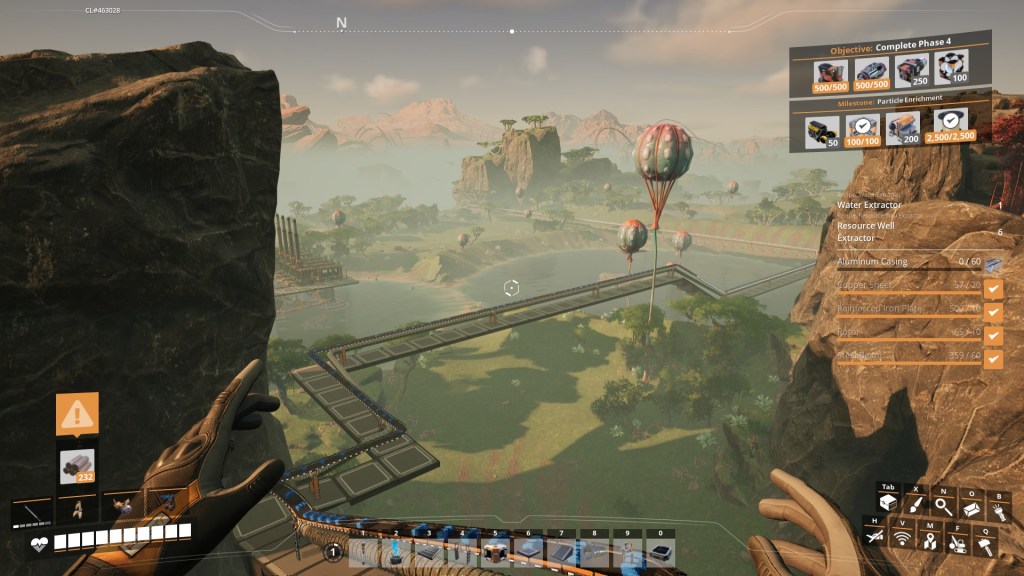
The other tricky thing is that the Rocket incorporates key parts from earlier phases. The Modular Engines are a core deliverable for Phase Three – a goal in themselves, which actually creates a planning problem for the first time player. If you’ve set up your factory to build Modular Engines and ship them into the Space Elevator, you have to redesign that factory so that Modular Engines can become just one component among many – not an end in themselves, but an ingredient in a wider system. If you’re on your first playthrough, it’s hard to know what’s coming. You don’t know what will be needed, so you don’t know how to optimise – how to set up earlier layers to integrate them into what comes after. This is part of why I’ve spent so much time in this game and made such limited progress: every time I get into new territory, I inevitably realise – oh, I should have built this like that. Reconfiguring everything seems like such a massive process that I put it down, and then later I start a new game with new plans. That’s how I’ve played hundred of hours and only just made it to Phase Four. Is my setup going to be appropriate for Phase Five? I’ve no idea.
And that’s an interesting design choice. For the first-time player, particularly, there’s a tension in Satisfactory between planning and ignorance. You need to plan ahead – you need to set things up in such a way as to manage the hundred-plus manufacturing operations for this Thermal Propulsion Rocket, and all the other project parts that need producing – but you also don’t know what’s coming. You aren’t given the plans for the Rocket ahead of time – you only get to it when you get to it. You need to plan, but you can’t. You just have to accept that you’re going to run into problems. You build something, and it turns out it’s a terrible way to do it, and you have to tear it all down and do it again. While Satisfactory was in Early Access, I wrote about how the game’s development cycle kept you reimagining and recreating and redesigning everything (Satisfactory: On Outputs). They’d release new features, new machines, new stages of Project Assembly, and you’d get to draft everything out again. I was worried that when the game was finally released, the system would settle. It would become fixed, closed, static – solveable. You could build it all up to your satisfaction and then finish the game. There was something sad in that. Now that I’m here, playing through the later stages of the fully released game, what strikes me is how the tension between planning and ignorance is fundamental not only to the game in Early Access but to the game in its completed form.
The thing about video games that makes them different to other art forms is that they involve systems of play. I’ve been writing about this for years – it’s a basic concept. They’re games. You play them. Play is an aesthetic frontier: it has aesthetic value. In Arkham Asylum, there’s a scene where Joker shoots Batman in the head. The game puts up a ‘Game Over’ card, making it look like the player failed to play the game correctly – like the scene is going to restart – and in fact it continues on, with Batman climbing out of a grave as part of a larger hallucination sequence. Arkham Asylum uses the construct of win-loss gameplay to tell its story. It tells you that you played the game wrong to create an emotional effect. Oh no, you failed, better try again. That’s obviously a one-time trick, but it illustrates the aesthetic capacity of play, its function as a tool for storytelling.
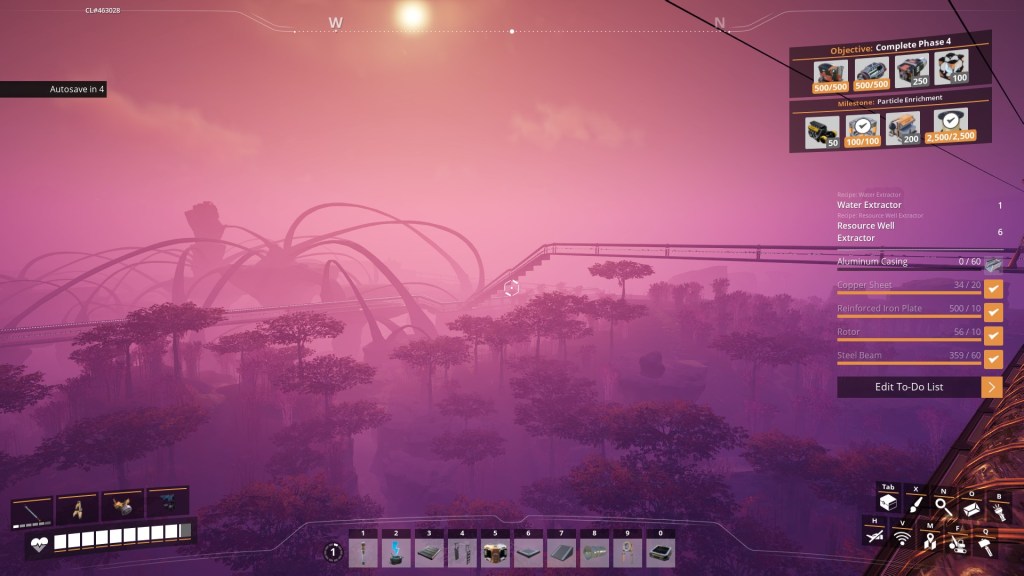
As much as play has an aesthetic function, it’s also something that has to be learned – and that learning can again carry an aesthetic charge. Learning is not automatic, and it’s not always successful. It can come in fits and starts. What we learn in one game can shape how we feel about another. Assassin’s Creed in some ways feels like a tutorial for Assassin’s Creed II, its much more mechanically complex successor. The same goes for Shadow of Mordor and Shadow of War. You learn so much more in the sequel – there’s so much more to do in the sequel – that the earlier entities feel almost incomplete. Alternately, in mystery games like Paradise Killer and This Bed We Made, the ludic structure carries part of the story’s message. Gameplay tips indicate an underlying worldview. In This Bed We Made, you need to destroy evidence proving certain characters are gay, or the police will find it and use it as an excuse to lock them up. That’s gameplay advice, but also the underlying moral message. Evidence can be harmful if the wrong people get it. In Satisfactory, the shape of the puzzle only becomes clear after you’ve put all the pieces in. You’ve built up your factory? Great, here’s all the ways in which it doesn’t work for the next phase. Here are all the bespoke inefficiencies, all the items that you produce that you don’t actually need any more but that you don’t want to dismantle in case they’re necessary later – you never know!
Satisfactory is a game that only makes sense in the rear view. You only understand it after you’ve done it. That gives the game this constant sense of the temporary, the impermanent. It’s very easy to deconstruct buildings or infrastructure – it’s annoying to set it all up again, but nothing’s ever really set in stone. That works against any impulse towards elegant design. You could set out your construction in a graceful way, but if you don’t know if it’ll still be viable in a handful of hours, it’s almost not worth the effort. You may as well just slap it down, spaghetti-spill your belts all over the place. There’s a sense of mess, sprawl, ugly inefficiency – there’s a brutality to the game that fits the theme of corporate resource extraction. It’s very difficult to create buildings and production lines that are visually integrated into the landscape. It’s precarious, unrewardingly difficult. In theory, once you’ve played it through, you could sit down and map out the entire production line from start to end. The Thermal Propulsion Rocket, with all its various components, needs you to mine 825.75 iron ore per minute. You could set up most of that in advance. You could create the infrastructure, connect all the belts, get the resources flowing in roughly the right direction. You could probably build a better factory. You could probably just start over and do it better the next time round.
 Death is a Whale
[…] On Ignorance in Satisfactory(deathisawhale.com, James Tregonning) […]
LikeLike